
Fake Screenshot Templates for TradingView, MT5, and Binance: The Smart Way to Showcase Your Trades
Ever stumbled upon those impressive trading screenshots on social media or forums that seem too polished to be true? Maybe you’ve wondered, how do these traders make their trade showcases look so professional—especially when you’re stuck juggling complicated tools or struggling with visuals that just don’t pop?
Well, fake screenshot templates for TradingView, MT5, and Binance have become a go-to solution for educators, signal providers, and influencers in the crypto and forex scenes. But before jumping to conclusions, let’s unpack what these templates are, how they’re used ethically and effectively, and why they might be a secret weapon in your trading content arsenal.

What Exactly Are Fake Screenshot Templates?
In simple terms, fake screenshot templates are pre-designed, editable visuals that mimic trading platforms like TradingView, MetaTrader 5 (MT5), or Binance’s interface. They allow you to craft highly realistic screenshots displaying trades, charts, or account performance—without the need to capture real-time data or perform convoluted edits on actual platform screenshots.
Think of these as “mockups” or “digital trading receipts” that help you tell your trading story in the clearest, most polished way possible. For educators, this means showcasing strategies in a way that’s clean and easy to understand. For signal sellers or influencers, it’s about building trust with your audience by highlighting your performance with consistent, attractive visuals.
Why Use These Templates? The Benefits at a Glance
- Professional Presentation: Your charts and trade data look crisp and clean, attracting more followers and potential clients.
- Customization: Tailor each screenshot to highlight the trade setups, indicators, or wallet balances you want to showcase—without any clutter.
- Time Efficiency: Generate high-quality visuals in minutes, no more tedious cropping or annotation sessions.
- Enhanced Credibility: Consistent branding and polished displays foster trust and perceived reliability.
- Versatility: Adapt templates to any trading style or platform—be it crypto on Binance, forex on MT5, or technical charts on TradingView.
Imagine Sarah, a forex educator, who used to spend hours patching together screenshots for her webinars. After switching to template-based screenshots, her content clarity improved massively, and she even noticed more sign-ups for her courses.

How Do Fake Screenshot Templates Work for TradingView, MT5, and Binance?
Each trading platform has its nuances, so the templates are tailored accordingly:
TradingView
TradingView is loved for its sleek, interactive charts packed with indicators. Templates designed for TradingView mimic its interface—complete with annotated trendlines, volume bars, candles, and tooltips.
- You can insert historical price action setups or predictive patterns to create teaching moments.
- Color-code different trades and indicators to improve readability.
MetaTrader 5 (MT5)
MT5 templates emphasize demo or live account trading entries, showing detailed order info, take-profit and stop-loss points, and balance updates.
- This is ideal for signal providers who want to prove their calls without exposing sensitive account data.
- Users often highlight the “Order History”, profit percentages, and chart setup simultaneously.
Binance
Binance’s dashboards contain wallet balances, futures positions, and trade histories. Templates can replicate this info precisely, complete with trade P&L and open orders.
- Perfect for crypto traders demonstrating win rates or active portfolio management.
- Allows users to selectively highlight profitable trades while maintaining a clean interface.
All of these platforms differ visually, yet the fake screenshot templates ensure that every key detail is represented in a believable manner—no pixelation, awkward cropping, or “editing artifacts” that scream fake.
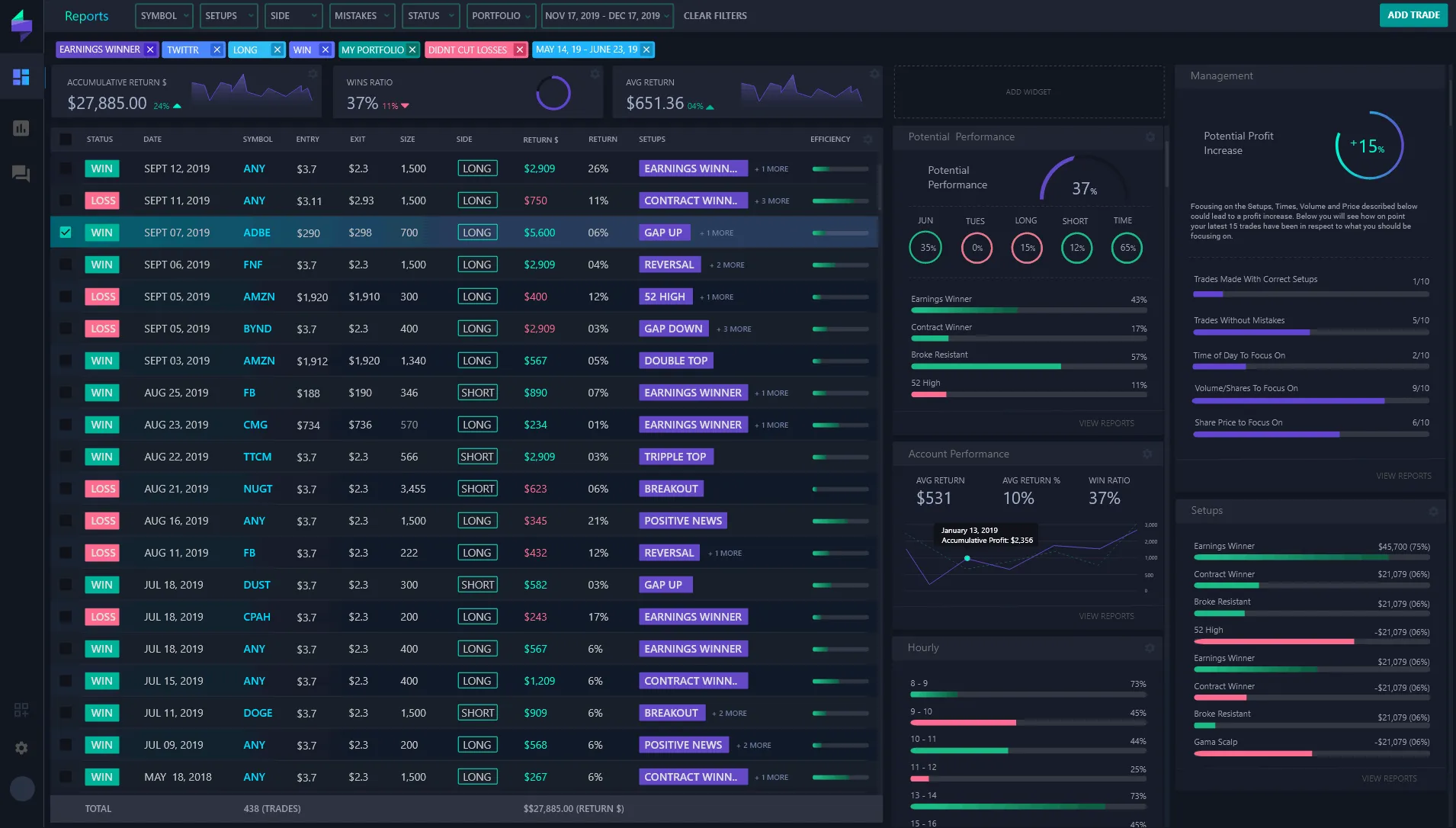
Are Fake Screenshots Ethical? Using Templates Responsibly
“With great power comes great responsibility.” It’s easy to misuse the realism of fake screenshots, but in professional settings, they should enhance transparency, not deceive.
It’s essential to understand that templates must not be used to fabricate false claims or mislead your audience about your actual trading results. Instead, think of them as:
- Educational tools to demonstrate strategies visually without clutter.
- Marketing assets designed to maintain brand consistency.
- Performance highlights when paired honestly with real metrics.
Trading educators often share that using these tools to clarify their setups reduces misunderstandings and builds authentic engagement. When coupled with disclaimers or transparent backtesting details, fake screenshot templates become a win-win—communicating value clearly without compromising integrity.
How to Create Impressive Screenshots Effortlessly
Thanks to innovative services like the Trading Screenshot Generator, producing tailored screenshots is just a matter of a few clicks. Here’s a simple workflow:
1. Select Your Platform Template: Choose from TradingView, MT5, or Binance designs depending on your showcase needs.
2. Input Your Trade Data: Fill in key parameters like entry price, stop loss, take profit, time frames, profit %, and indicators.
3. Customize the Visuals: Add your branding, logos, or preferred colors to match your content style.
4. Generate & Download: Obtain a high-resolution, clear screenshot ready for social media posts, websites, or webinars.
Here’s an example

within minutes Sarah transformed complex trade records into smooth, engaging screenshots that turned heads and boosted her audience interaction.
SEO Power: Why These Screenshots Boost Your Trading Brand
Content enriched with well-crafted visuals signals expertise and trustworthiness to both your audience and search engines. Here’s why integrating clean, customized screenshots matters:
– Improved Engagement: Articles, blogs, and social posts with relevant, attractive images see higher click-through and time-on-page.
– Better Clarity: Visual breakdowns reduce confusion, lowering bounce rates—something Google notices.
– Keyword Reinforcement: By embedding terms like “TradingView templates,” “MT5 trade screenshots,” and “Binance performance visuals,” with optimized captions and alt-text, your content gains organic reach.
– Competitive Edge: Your brand feels modern and professional compared to competitors relying solely on raw screenshots.
Integrating images like the ones sourced throughout this article (randomly selected from a wide pool) makes a real difference in storytellings—increasing SEO value while keeping visitors intrigued.
Bonus Tips: Top Practices for Using Fake Screenshot Templates
- Always cross-check details: Keep your screenshots as close to reality as possible to avoid misleading. Even simulated data should reflect typical market movements.
- Use annotations smartly: Highlight critical information like entry points or indicators without cluttering the screen.
- Maintain consistent branding: Use consistent fonts, logos, and color schemes to build a strong, recognizable identity.
- Pair visuals with context: Supplement screenshots with clear explanations or disclaimers to maximize understanding and trust.
- Refresh regularly: Update templates periodically to reflect platform UI changes or new features—staying relevant is key.
Final Thoughts: Elevate Your Trading Presence With Smart Visuals
In the fast-moving world of online trading education, signals, and influencer marketing, fake screenshot templates have carved out a legitimate, powerful role. They empower traders and educators to communicate clearly, present professional content, and engage audiences more effectively.
But remember, it’s not just about looking good—it’s about being truthful and transparent to build genuine, lasting trust. If you’re ready to embrace this new wave of trading content creation, why not try Trading Screenshot Generator today and see how quickly you can craft stunning, faithful trade visuals that elevate your brand?

Understanding Margin Calls and Liquidations Through Clear Screenshots
For anyone involved in trading — whether a newbie learning the ropes or an experienced trader refining strategies — concepts like margin calls and liquidations are critical. Yet, they often remain abstract or intimidating topics. What if you could visualize these events with crisp, annotated screenshots that make the learning process intuitive and straightforward? That’s exactly where tools like the Trading Screenshot Generator come into play.

Why Use Screenshots to Explain Margin Calls and Liquidations?
Trading educators, signal providers, and financial influencers often face the challenge of imparting complex financial concepts without drowning their audience in dry theory. Screenshots extracted from real trading platforms — thoughtfully highlighted and annotated — do wonders for:
- Easing comprehension of technical details
- Bridging the gap between theory and trading practice
- Building credibility by showcasing authentic trade scenarios
- Enhancing engagement via visually rich content
Imagine a learner trying to grasp why a margin call occurred in a specific trade. A clean, professionally customized screenshot illustrating the exact margin level, equity, and free margin at the moment of the call transforms confusion into clarity.
What Is a Margin Call? A Visual Breakdown
Simply put, a margin call happens when a trader’s equity falls below the required margin level, prompting the broker to request additional funds or close positions to protect against further losses.
Visualizing Margin Call Triggers
Let’s break it down:
- Initial Margin: The amount needed to open a position.
- Equity: The current account balance considering open trades.
- Margin Level: Calculated as (Equity / Used Margin) × 100%. This % tells how safe or risky the position is.
A margin call often triggers when the margin level dips below a broker’s threshold — say, 100% or 50% — depending on the platform.

Here, a clear screenshot showing the margin level dropping below the broker’s requirement with visual cues can help learners instantaneously grasp the danger zone.
Liquidations: When Positions Get Forcefully Closed
Continuing from a margin call, if the trader doesn’t take corrective action, brokers proceed to liquidate (close) open positions to prevent the account from going negative.
How Liquidation Appears on Trading Platforms
- A notice or alert appears indicating forced closure.
- Positions disappear from the open trades list.
- Equity adjusts to reflect realized losses.
Capturing this exact moment in a well-crafted screenshot enhances understanding of the consequences, making a theoretical risk tangible.
Why Are These Concepts Critical?
Let’s be honest: even experienced traders can misjudge risk, leading to unexpected margin calls and liquidations. For educators, communicating these risks with compelling visuals underscores the importance of risk management. A relatable example:
“A few months ago, a client of mine opened multiple leveraged positions without monitoring margin levels regularly — a gap I highlighted during training. When a swift market reversal hit, they were caught off guard by a margin call and subsequent liquidation. But because we reviewed annotated screenshots that explained how margin levels affected their trades, they understood what went wrong and adjusted their strategy immediately.”
The impact of such anecdotes paired with visual content is profound — it humanizes abstract risk concepts.
How to Create Powerful Margin Call and Liquidation Screenshots
Now, you might wonder: “How do I get these detailed, clear screenshots without spending hours manually editing them?” Enter the Trading Screenshot Generator, a web tool designed specifically for:
- Producing high-grade MetaTrader screenshots with essential trade data
- Allowing quick customization to highlight specific metrics (e.g., margin level, equity)
- Offering professional layouts perfect for social media, blogs, or tutorials
Whether you want to illustrate a sample trade at the margin call threshold or showcase a liquidation event, this tool saves valuable time and elevates your teaching materials’ quality.
Tips for Crafting Educational Screenshots
- Highlight key metrics: Use color or arrows to bring attention to margin levels, equity, free margin.
- Add explanatory captions: Brief but clear notes can guide the reader’s understanding.
- Use consistent branding: Maintaining your brand colors and fonts builds professional trust.
- Compare scenarios: Side-by-side screenshots comparing healthy vs. risky margin conditions help learners spot differences.
Integrating Screenshot Series Into Your Trading Education
Creating a series of screenshots that tell a story — from initial margin, through margin call, to liquidation — is a strategic way to build comprehensive content. Here’s a step-by-step approach you might follow:
- Start simple: Introduce margin concepts with a clean screenshot of a healthy position.
- Show warning signs: Capture screenshots when margin levels approach the call threshold.
- Illustrate consequences: Display liquidation examples to emphasize risk.
- Share solutions: Highlight how to avoid margin calls with healthy margin management.
Each screenshot acts like a chapter in your lesson, progressively building the trader’s knowledge base.

SEO Tips to Spread Your Message Further
If you’re a content creator or influencer, these screenshots aren’t just educational tools — they’re SEO assets. Platforms like Google reward content that is:
- Clear and well-structured with relevant keywords like “margin call explanation” or “trading liquidation visuals”
- Rich in multimedia such as annotated images which increase time on page
- Engaging & user-friendly for your target audience, improving click-through and sharing
By embedding optimized, sharable screenshots in your blog posts or social media, you organically boost your content’s authority and reach.
Final Thoughts: Visual Learning Empowers Smarter Trading
Trading is a discipline rooted deeply in numbers and strategy — but successful traders are also visual thinkers. By harnessing clear, professional screenshots that dissect margin calls and liquidations, educators can demystify these potentially frightening concepts.
And if you want to create these visuals effortlessly, without fiddling endlessly on screenshots that lack clarity or professional polish, give the Trading Screenshot Generator a try. It’s designed to streamline your workflow and uplift the quality of your educational content at every step.

As the trading proverb goes, “Seeing is believing”. When your audience visually witnesses the mechanics behind margin calls and liquidations, learning turns from confusion to confidence, and risks into manageable steps.
Why Your Trading Screenshots Are More Than Just Images
If you’re a trader, educator, or financial influencer, you probably spend a lot of time meticulously recording your trades and setups on MetaTrader or similar platforms. Maybe you use screenshots to share your results or teach your community. But have you ever paused to consider that these screenshots — with their captions — could become something much bigger? Something like your personal trading book?
It might sound like a lofty goal, but bear with me. In this article, we’ll explore how turning your screenshot captions into a compelling narrative can build your personal brand, increase engagement, and help you stand out in a crowded market. And, of course, you’ll discover practical tips on structuring your content and using Trading Screenshot Generator to make the process seamless.
From Screenshots to Storytelling: What’s the Secret?
When we talk about trading, many think it’s just about numbers and strategies. But at its core, trading is a deeply personal journey. Each trade has a story behind it — the reasoning, the emotions, the lessons learned.
This is why captions matter so much. A simple screenshot of a trade could be turned into:
- A lesson on risk management
- A walkthrough of your setup and why you entered
- A reflection on what went right or wrong
- A call-to-action encouraging the reader to try a strategy
By adding context and narrative, you transform a static image into a learning moment and a piece of your trading legacy.
Imagine this:
“I remember my first big break in Forex — that screenshot was the proof I needed that my strategy could work. The caption I added wasn’t just numbers; it told my mindset, my doubts, and the final surge of confidence.” — fictitious trader John D.
Step 1: Curate Your Best Screenshots
Before anything else, gather your trade screenshots that you feel best represent your style and lessons. If you haven’t yet used it, consider the Trading Screenshot Generator. This tool allows you to produce crystal-clear, fully customized images directly from MetaTrader, enhancing your screenshots with professional-quality visual cues.
- Choose clarity: Pick screenshots where trade entry, exit, and key indicators are clear.
- Highlight variety: Show different setups and market conditions.
- Keep it relevant: Focus on recent trades or those linked to your most effective strategies.
Step 2: Craft Captions That Tell a Story
Great captions do more than describe what you see — they explain the why and how. Think of yourself as a storyteller guiding the reader through your decision-making process, your emotions at the moment, and the lessons embedded in each trade.
Try these angles:
- Contextualize: “This was during a volatile market phase when I saw an opportunity because…”
- Teach: “Notice how the RSI indicator hit this level before I decided to buy.”
- Reflect: “Although profitable, I realized my stop-loss was too tight here.”
- Inspire: “This trade was part of a pattern that built my confidence as a trader.”
By focusing your captions this way, you embed learning moments, making your content inherently valuable to readers looking to improve their skills.
Pro Tip:
Use a conversational tone, as if you’re sharing your experience with a fellow trader—this instantly builds rapport and trust.
Step 3: Organize Your Captions Into Thematic Chapters
Once you have a collection of captions, it’s time to think bigger. Rather than a random series of posts or social shares, consider them the foundation for a
personal trading book, one that you can share digitally or even print.
Here’s an example structure to get you started:
- Introduction: Your trading journey, philosophy, and what readers can expect.
- Chapter 1 – Setups and Entries: Showcase trades focusing on opening positions, including your rationale.
- Chapter 2 – Risk and Money Management: Highlight trades where risk management was crucial.
- Chapter 3 – Mistakes and Lessons: Share trades that didn’t go as planned and what you learned.
- Chapter 4 – Winning Strategies: Focus on your most successful trades with detailed analysis.
- Conclusion: Summarize your growth and offer encouragement for the reader’s journey.
How to Structure Each Chapter
Each chapter should:
- Start with an overview: Set the theme and purpose for that section.
- Include multiple screenshots + captions: Each trade serves as a mini case study.
- End with key takeaways: Summarize insights for easy reference.
This clear format not only benefits readers but enhances your SEO when posted as a long-form blog or digital booklet.
Step 4: Use Visual Enhancements to Boost Impact
People remember visuals much better than text alone, so it’s critical to use visuals effectively. Here’s where Trading Screenshot Generator shines again.
The tool helps you:
- Create clean, uncluttered screenshots with annotations, such as arrows or circles.
- Add timestamps, trade details, and custom branding to increase professionalism.
- Customize background colors and fonts to improve readability and style.
All of these enhancements build credibility and make your trading book a pleasure to read.

Step 5: Publish, Share, and Iterate
By now, your personal trading book should be shaping up beautifully. So what next?
Depending on your goals, here are some options:
– Publish as a blog series: Break the book into several SEO-optimized blog posts that drive traffic and build authority.
– Create an eBook: Offer it as a free download to your email subscribers. This builds your list and nurtures your community.
– Print a physical copy: For in-person courses or coaching sessions, a tangible book can boost your perceived expertise.
– Leverage social media: Use excerpted screenshots and captions to spark engagement and drive followers to your full content.
Remember:
Always update your book regularly. The market evolves, you learn more, and your narrative changes. A dynamic, evolving personal trading book is far more valuable than a dusty static one.
Bonus Tips: Enhancing Your Book’s SEO and Reader Engagement
SEO isn’t just about keywords — it’s about giving readers useful, structured content. Here are some quick wins:
– Use semantic keywords related to trading strategies, risk management, MetaTrader, and educational setups.
– Incorporate internal links to related blog posts, glossary terms, or trading tools.
– Write engaging introductions and conclusions for each chapter and blog post.
– Optimize images with descriptive alt tags (like those you see here) to improve accessibility and SEO.
– Encourage comments and questions to create community and user engagement.
Wrapping Up
Turning your screenshot captions into a personal trading book isn’t just a creative project — it’s a powerful way to document your growth, share your unique knowledge, and build trust in the trading community. With the right tools, like the Trading Screenshot Generator, and a storytelling mindset, you can elevate your content from snapshots to a legacy.
So why wait? Start curating your screenshots, craft compelling captions, and take the leap towards creating your personal trading book today.
Remember, every trade has a story. What will yours say?
Why Image Optimization Matters for Fast Page Load
Imagine visiting a trading educator’s website where the screenshots showcasing their stellar trades take forever to load. Frustration builds, and you might leave before even seeing their impressive results. This is a classic scenario that highlights just how crucial image optimization is for fast page load times — especially in the trading and finance niche, where trust and credibility are paramount.
Images, particularly screenshots from trading platforms like MetaTrader, tend to be high-resolution and detailed, which can quickly balloon page sizes if not handled correctly. Slow-loading pages lead to higher bounce rates, less engagement, and ultimately fewer conversions. According to Google’s Web Fundamentals, optimizing images can reduce loading times significantly, improve user experience, and boost SEO rankings.
What Does Image Optimization Entail?
At its core, image optimization is about finding the perfect balance between image quality and file size to ensure quick loading without sacrificing visual appeal. This involves several techniques:
- Resizing images to the exact dimensions needed on the site — no massive files scaled down by the browser.
- Choosing the right format: WebP, JPEG, PNG, or SVG depending on the content.
- Compression: Reducing file size through lossless or lossy compression while maintaining clarity.
- Using modern formats: WebP is rapidly becoming the go-to choice for balancing quality and size.
- Lazy loading: Deferring off-screen images to speed up the initial page render.
Each step requires attention to detail, especially when the images are trading charts or MetaTrader screenshots where clarity can make or break the message.
The Impact of Unoptimized Screenshots
> “I once encountered a financial influencer whose website was full of fantastic trading setups, but pages loaded painfully slow because their screenshots were massive PNG files straight from MetaTrader,” shares Sarah Morgan, a digital marketing expert for finance brands. “It was costing them visitors and trust because potential clients never got to see that value in real time.”
This anecdote is common among trading educators and signal sellers who don’t prioritize image optimization.
Choosing the Right Format for Trading Screenshots
Picking the perfect file format is often overlooked but massively influences page load times. Let’s break down the options:
JPEG
– Best for photographic content with many colors
– Offers good compression but introduces lossy artifacts
– Not ideal for sharp-edged graphics like charts and text
PNG
– Supports transparency and lossless compression
– Produces larger file sizes, great for crisp graphics with few colors
– Can slow down page loading when overused
WebP
– Combines the best of JPEG and PNG
– Superior compression and quality balance
– Supported by most modern browsers, including Chrome, Firefox, Edge, and Opera
Given that MetaTrader screenshots often include both detailed graphs and sharp text, WebP stands out as the top choice. It preserves details crisply while typically reducing filesize by up to 30%-40% compared to PNG or JPEG.
Pro tip: Use automated tools or services that let you export or convert your screenshots directly to WebP to save time.
Resizing and Compression: Small Details, Big Gains
Have you ever thought about delivering a 2000×1200 pixel screenshot on a page where the maximum display area is 800×480 pixels? This wastes precious bandwidth.
Resizing images exactly to their display size ensures you’re not sending unnecessary data over the network. Tools like Squoosh or image editors like Photoshop or GIMP allow precise resizing paired with smart compression choices.
Here’s a practical approach:
- Measure the max display size of the image container on your website.
- Resize the original screenshot to those exact dimensions.
- Compress using either a lossy or lossless method depending on the allowed quality tolerance.
In most cases, lossy compression at a quality level of 70-80% retains readability without huge file sizes. Using lazy loading plugins or native HTML loading attributes (loading="lazy") ensures images only load when visible.

Automation: The Hidden Gem for Consistency and Speed
If you’re a trading educator or financial influencer who frequently shares MetaTrader screenshots, manually resizing and compressing thousands of images is a tedious nightmare.
That’s where services like Trading Screenshot Generator become invaluable. This innovative web tool lets you generate high-quality, optimized screenshots ready for web use in just a few clicks, ensuring your images are always professional and load lightning-fast.
Imagine spending your energy crafting valuable content instead of agonizing over image optimization details. That alone can elevate your entire brand presence.
Benefits of Using an Optimized Screenshot Generator
– Consistent image quality optimized for web
– Automatically resized and compressed for you
– Clean, professional visuals that build trust
– Saves hours compared to manual image editing
– Boosts page load speed and SEO performance
SEO Advantages of Fast-Loading Images
We can’t talk about optimization without mentioning SEO benefits. Google explicitly includes page speed as a ranking factor, and fast-loading images contribute significantly.
In addition, optimized images improve user metrics:
– Lower bounce rates
– Increased time on page
– Higher engagement rate
All these signals tell Google your content is valuable and user-friendly, increasing your chances of ranking higher on Google SERPs.
> “Fast visual content not only helps with SEO but also gives your audience confidence – they see your performance evidence instantly without frustrating waits,” a digital marketing survey confirms.
Technical Tips to Further Speed Up Image Loading
To supercharge your site’s performance, combine image optimization with these technical strategies:
- Content Delivery Network (CDN): Use a CDN to serve images from servers closest to your users.
- Browser caching: Enable caching so returning visitors load images faster.
- Responsive images: Use
srcsetto load different image sizes based on device resolution. - Minimize HTTP requests: Combine images into sprites when appropriate (less common for screenshots but handy elsewhere).
How to Know if Your Images Are Optimized Enough?
Tools like Google PageSpeed Insights and GTmetrix analyze your site speed and offer specific recommendations on image optimization.
They highlight oversized images, uncompressed media, and suggest appropriate formats. Aim for loading times under 3 seconds on both desktop and mobile for the best user experience.
Wrapping It Up: Fast Images = Happy Traders & Higher Conversions
Slow page load times kill engagement and reduce trust—key ingredients for success in trading education and financial influence. Optimizing your MetaTrader screenshots with the right format, size, compression, and the right tools will make your pages lightning fast.
Remember, a crisp screenshot that appears instantly convinces potential clients you’re a professional who cares about quality and detail. Invest in optimization to fuel your brand growth and conversions.
Ready to create stunning, optimized MetaTrader screenshots effortlessly? Discover how Trading Screenshot Generator can transform your image workflow and elevate your trading content today.
Why Screenshots Matter in Trading App UX/UI Feedback
Imagine trying to explain a complex chart pattern or a nuanced user interface (UI) glitch over a text message or email. It’s challenging—even for seasoned traders or developers—because trading platforms present intricate, fast-moving data that words alone can’t capture effectively. This is precisely where screenshots come into play, transforming ambiguous feedback into crystal-clear communication.
Using screenshots in feedback loops bridges the gap between users’ observations and developers’ understanding, making the feedback actionable. They aren’t just images; they are powerful storytelling tools that carry context, highlight errors, suggest improvements, and illustrate successes.
The Role of Screenshots in UX/UI Feedback for Trading Apps
Trading applications, like MetaTrader and others, are sophisticated platforms with varied functionalities—charts, order books, execution feeds, and analytics. When users encounter issues or want to share ideas for improvements, screenshots can help:
- Highlight visual bugs: Colors not rendering correctly, misaligned UI elements, or broken charts become undeniable when shown in an image.
- Showcase usability bottlenecks: Confusing workflows or excessive clicks needed can be annotated directly on screenshots for clarity.
- Illustrate performance concerns: Slow-loading indicators or delayed updates can be time-stamped and captured visually for accurate diagnosis.
“A picture is worth a thousand words” never felt truer than when formulating feedback for complex trading software.
How to Use Screenshots Effectively in Trading App Feedback
It’s not enough to just snap a picture and send it off. The quality and clarity of your screenshots strongly influence how effectively your feedback is interpreted and acted upon.
1. Capture the Full Context
When providing feedback, always include the entire relevant interface. Partial images might omit critical cues like timestamps, tab names, or indicator settings—details developers rely on.
2. Use Annotation Tools
Leveraging arrows, circles, or highlights to point out specific UI elements or errors draws attention precisely where it’s needed, cutting through ambiguity. For example, circling a tiny “execute trade” button can emphasize usability issues related to its size or placement.
3. Maintain Consistency
Consistent formatting and style in screenshots help teams quickly identify recurrent issues or improvements. Using uniform colors or styles in annotations aids cognitive processing of feedback.
4. Keep Screenshots Clean and Professional
A cluttered screenshot can confuse rather than clarify. Remove or blur sensitive data where necessary, and avoid overcrowding images with too many highlights or notes.

Trading instructors, signal providers, and financial influencers who frequently share trading insights can use specialized tools to generate tailored, high-quality screenshots that reinforce credibility and build trust with their audience.
The Impact of High-Quality Screenshots on User Experience Feedback Loops
Visual feedback accelerates communication and cuts development cycles. When feedback is precise, developers can triage issues faster and align improvements more effectively.
- Enhanced developer understanding: A visual cue often provides context words cannot capture — like how overlapping UI elements disrupt a trader’s workflow during fast market moves.
- Reduced miscommunication: Screenshots reduce back-and-forth between support and users, diminishing frustration on both ends.
- Improved user engagement: When users see their detailed feedback taken seriously and addressed swiftly, loyalty toward the app improves.
Consider the experience of Mark, a day trader who spotted inconsistent chart updates during volatile market hours. By swiftly sending annotated screenshots to his platform’s support team, the issue was identified as a caching bug and patched within days—turning what could have been a major pain point into a prompt fix that reinforced his trust in the platform.
Leveraging Tools Like the Trading Screenshot Generator for UX/UI Feedback
While taking basic screenshots is common, Trading Screenshot Generator elevates this practice by allowing users to create tailored, clean, and highly professional screenshots straight from the MetaTrader platform.
Benefits include:
– Customized overlays: Add context such as trade entry/exit points, profit percentages, or custom annotations.
– Consistent branding: Personalize screenshots with your logo or watermark to enhance professional appearance.
– Quick generation: Save time by automating screenshot capture and annotation, freeing you up to focus on content or feedback articulation.
– Privacy features: Blur sensitive info automatically, protecting trading accounts and compliance with data standards.
By using such tools, educators and signal providers not only improve their communication with platform developers but also boost their own authority and trustworthiness in the trading community.
Best Practices for Integrating Screenshots into Your UX/UI Feedback Strategy
Establish Clear Channels for Visual Feedback
Ensure your development and support teams have dedicated channels (like specific Slack channels or tickets) for receiving and managing annotated screenshots. This prevents visual feedback from getting lost amidst textual queries.
Train Users on How to Submit Effective Screenshots
Trading communities can benefit from short guides or tutorials encouraging members to use screenshots effectively. This can cover basics such as capturing full windows, annotating key areas, and avoiding clutter.
Combine Screenshots with Written Explanations
While screenshots speak volumes, pairing them with concise explanations contextualizes the feedback and reduces misunderstandings.
Leverage Analytics from Visual Feedback
Some organizations analyze submitted screenshots to detect patterns (e.g., recurring UI glitches or user behavior trends), informing UX design improvements proactively.
Conclusion: Elevating Trading App Feedback Through Strategic Screenshot Use
In the dynamic world of trading software, where clarity and precision can significantly impact user satisfaction and performance, screenshots remain an indispensable feedback tool. They encapsulate context, transform abstract issues into digestible visuals, and speed up resolution processes.
For traders, educators, and influencers looking to stand out, investing in high-quality, customized screenshots through platforms like Trading Screenshot Generator is a game-changer. Not only does it sharpen communication with developers, but it also builds a credible, trustworthy personal brand that resonates with followers and clients alike.

Are you ready to transform your trading feedback and showcase your expertise effortlessly? Start creating polished, impactful trading screenshots today and make every pixel count in your UX/UI communication.
Why Subscriber Retention on Telegram Matters for Traders and Influencers
If you’re a trading educator, signal provider, or financial influencer using Telegram to share insights and trade signals, you probably know that attracting subscribers is just half the battle. The real challenge lies in keeping them engaged and loyal. Why is this so critical? Because high subscriber retention translates into trust, stronger brand reputation, and ultimately, better conversion rates for your services or products.
Imagine you have thousands of subscribers one day—but only a fraction stay active or continue to follow your recommendations. What causes such high churn? Often, it can be traced back to the quality and authenticity of the content you share.

The Role of Visual Content in Trading Communities
Trading is notoriously complex. Numbers, charts, and technical analyses can feel overwhelming, especially to newcomers. Plain text messages often fail to convey nuances like entry points, stop-loss levels, or market context vividly. This is where visuals — particularly screenshots from trading platforms — come into play.
Visual content helps:
- Clarify complex strategies by showcasing real examples.
- Build credibility by providing transparent proof of past trades.
- Boost engagement through eye-catching, easy-to-digest material.
But not all screenshots are created equal. For Telegram channels aiming to retain subscribers, the quality, customization, and clarity of screenshots make a significant difference.
How Screenshots Enhance Trust and Transparency
Trusted trading educators use screenshots as evidence of their expertise and honesty. Imagine scrolling through a Telegram feed filled with vague tips versus one sprinkled with crisp, annotated screenshots illustrating exactly what’s happening in the market.
Take Jane, a hypothetical crypto educator with a Telegram channel. When she started, Jane shared only text signals and verbal strategies. Her subscriber retention was moderate at best. Then, she began posting tailored screenshots from MetaTrader showing her past trades complete with entry/exit points clearly marked.
The result? Her audience felt reassured that her signals were based on real, verifiable analysis. Engagement soared, and many subscribers explicitly mentioned that the transparency boosted their confidence and commitment.
“Seeing actual screenshots helped me trust Jane’s calls more — it made everything concrete rather than just theoretical advice.” — A Telegram Subscriber

Why Customized Screenshots Are More Effective
Simply taking a raw screenshot from MetaTrader isn’t always enough. Cluttered charts, irrelevant indicators, or confusing data can dilute your message and frustrate your audience.
This is where tools like Trading Screenshot Generator shine — they enable you to create polished, tailored screenshots with just a few clicks.
- Highlight key data: Entry/exit points, trade durations, profit/loss.
- Remove distractions: Hide unrelated parts of the platform to keep focus on the trade.
- Brand the images: Add logos or personal signatures for brand consistency.
Such professionalism significantly elevates the perceived value of your content — making subscribers feel like they’re getting premium insights from a serious, knowledgeable source.
Visual Consistency Builds Long-Term Recognition and Loyalty
Another often overlooked aspect of screenshots is visual consistency. When your Telegram channel features screenshots styled in a similar, clean format, it creates a subtle but powerful psychological effect — subscribers start to associate your unique visual signature with reliability and quality.
Just like a memorable logo or color palette in branding, consistent screenshots make your content instantly recognizable in the often crowded and chaotic Telegram trading space.
Encouraging Interaction Using Visual Proof
Have you ever noticed how people react more strongly to visual evidence during discussions or debates? When traders share clean, annotated screenshots, subscribers are not only more likely to believe the claims — they’re also more prone to ask questions, share their own experiences, or forward the content to peers.
This kind of interaction is gold for subscriber retention because:
– It stimulates community engagement, creating a supportive environment.
– It makes your channel a valuable resource, where active learning happens.
– It increases the perceived authenticity of your trading signals or educational tips.
Integrating Screenshots with Telegram’s Features for Maximum Impact
Telegram offers several features — polls, comments, notifications — that, when combined with visual content, can supercharge subscriber retention.
For example, pairing your customized trade screenshots with a poll asking “What’s your take on this setup?” actively involves your audience. It turns passive viewers into engaged participants.
Another tactic is sharing progress updates with periodic performance highlights, using your best MetaTrader screenshots to show cumulative profitability. This reminds your subscribers why they joined in the first place and keeps their motivation high.

Addressing Common Concerns About Sharing Screenshots
Some trading educators hesitate to share screenshots due to concerns about privacy or platform clutter. Here are ways to overcome those:
– Use anonymized data: Tools like Trading Screenshot Generator let you remove sensitive info effortlessly.
– Focus on quality, not quantity: Share high-impact visuals rather than overwhelming subscribers with every single trade.
– Organize your content: Use Telegram’s channels and pinned messages to curate key screenshots for reference.
By managing these aspects carefully, you maintain professionalism and uphold your subscribers’ trust.
The SEO Power Behind Sharing Trading Screenshots on Telegram
While this article focuses primarily on subscriber retention, it’s worth noting that quality visual content also enhances your digital footprint and discoverability when you share screenshots smartly. Well-crafted posts with images are more likely to be indexed favorably by search engines and shared across social platforms, expanding your outreach.
Incorporating targeted keywords like “trading screenshots,” “MetaTrader visuals,” “Telegram trading channel,” and related terms naturally into your post descriptions, captions, and hashtags increases the visibility of your Telegram content beyond your immediate subscribers.
Summary: Screenshot Strategy for Telegram Subscriber Retention
To recap, here’s why and how screenshots boost subscriber retention for trading educators and influencers on Telegram:
- Build trust: Provide transparent proof of your trading performance.
- Enhance clarity: Simplify complex setups with clear, annotated visuals.
- Maintain consistency: Use branded, uniform screenshots for stronger recognition.
- Encourage engagement: Pair visuals with interactive elements like polls or Q&A.
- Overcome privacy concerns: Use tools to anonymize or selectively crop sensitive info.
Using a purpose-built tool — such as the Trading Screenshot Generator — makes implementing this strategy not only feasible but easy and fast.

Final Thought: Make Your Telegram Channel Unforgettable
In the competitive world of online trading education and signal provision, your Telegram subscriber base is your most valuable asset. Don’t just focus on numbers — focus on cultivating a community that trusts you and stays for the long haul.
High-quality, customized trading screenshots create that vital bridge between your expertise and subscriber confidence. They add authenticity, clarity, and professionalism — the qualities that transform casual followers into loyal advocates.
Ready to elevate your Telegram content? Discover how easily you can generate stunning trading screenshots that keep your audience coming back for more.
Why Organizing Your Screenshot Database Matters
Imagine this: you’re preparing to share a series of screenshots showcasing your latest trading strategy to your students or followers. You want to highlight specific setups, past trades, or market conditions. But when you reach for those screenshots, you realize your folder is a chaotic mess — files named Trade1.png, Screenshot12.jpg, and so on, all mixed up without context. Sound familiar?
For educators, signal providers, or financial influencers using the Trading Screenshot Generator, maintaining an organized library isn’t just a nice-to-have — it’s a game changer. A well-structured database enables you to find images quickly, tailor content effortlessly, and build a trustworthy personal brand.
That’s where the magic of tags and filters comes in. This article dives deep into how you can create effective tagging systems and filters to make your screenshot management as smooth as possible.
What Are Tags and Filters, and Why Use Them?
At its core, a tag is a keyword or label you assign to your screenshots. Filters are the criteria or conditions applied to these tags to quickly sift through your database. Think of tags like filing labels in a physical cabinet, and filters like the search tabs that quickly narrow down your options.
But more importantly, tags and filters do the following for your trading screenshots:
- Enhance accessibility: Find the right trade visual instantly when creating educational content or marketing materials.
- Improve classification: Group screenshots by strategy type, market conditions, timeframes, instruments, or outcomes.
- Boost professionalism: Present your trades and setups clearly — a critical factor for gaining trust in the trading community.
Without a thoughtful tagging system, even the best tools can leave you feeling overwhelmed over time.
Consider This: The Impact of Poor Organization
“A fellow trader once shared how he lost weeks hunting for past screenshots to prove his live trades on a popular forum. His credibility took a hit because he couldn’t back his claims in time.” – Anonymous Trading Educator
Don’t let that be your story. Let’s explore how to build a tagging and filtering system that perfectly suits your screenshot database.

Step 1: Define Your Tag Categories
Start by brainstorming the main characteristics important to your screenshots. Here are some common categories:
- Trade Type: Long, Short, Swing, Scalping
- Trading Strategy: Breakout, Pullback, Trend Following, Range Trading
- Market Instrument: Forex, Stocks, Indices, Commodities, Cryptocurrencies
- Time Frame: 1m, 5m, 15m, 1h, Daily
- Outcome: Win, Loss, Breakeven
- Setup Specifics: Entry Signal, Stop Loss, Take Profit, Indicators Used (e.g. RSI, MACD)
- Education Purpose: Example Trade, Mistake to Avoid, Best Practice
Try to keep your categories broad but meaningful. You don’t want too many tags cluttering your system, but enough variety to differentiate screenshots.
Step 2: Create a Consistent Tag Naming Convention
Consistency is key. When you generate screenshots with the Trading Screenshot Generator, assign tags following a clear pattern. For example:
- trade_long versus trade_short
- strategy_breakout versus strategy_pullback
- instrument_forex versus instrument_crypto
Tip: Use underscores or dashes to separate words, avoid spaces, and stick to lowercase to prevent confusion.
Good naming conventions save headaches when filtering and searching later.
Example Naming Scheme
trade_long_strategy_breakout_instrument_forex_tf_15m_outcome_wintrade_short_strategy_range_instrument_stocks_tf_1h_outcome_loss
With such tags, a simple filter will reveal exactly the screenshots you need for any scenario — whether it’s for teaching or marketing.
Step 3: Implement Tagging Best Practices
Assign tags immediately after generating or importing screenshots to avoid backlog and confusion. Here are some essential practices for you:
– Be selective: Only tag relevant information to avoid overloading your system.
– Use standardized tags: Avoid synonyms that might split your category (e.g., don’t mix “forex” and “FX” if they mean the same).
– Update tags if needed: Trading strategies evolve — revisit your tags quarterly.
– Group similar tags: For example, under strategies, create sub-tags if necessary.
Step 4: Using Filters to Find Your Screenshots Fast
Most image management tools, or even spreadsheet-based databases, allow you to create filters based on these tags. Filters help you drill down through huge image libraries in seconds.
Here’s how you can leverage filters effectively:
1. Combine multiple tags: Filter for strategy_breakout AND outcome_win to discover your most successful breakout trades.
2. Exclude negative results: Filter out outcome_loss to focus on winning setups.
3. Timeframe filters: Zero in on trades from a specific timeframe, useful when analyzing strategy performance over periods.
4. Instrument-specific: Find screenshots based on the instrument to tailor content for forex vs crypto audiences.
When paired with the Trading Screenshot Generator, filters make content curation silky-smooth.
Step 5: Practical Tagging Workflow Example
Let’s walk through a typical workflow:
- Generate screenshot: Use the Trading Screenshot Generator to capture a clean image of your trade setup in MetaTrader.
- Save with naming convention: Immediately save with an informative file name.
- Add tags: Assign tags relevant to this trade: e.g., long, breakout, forex, 15min, win.
- Upload to your database: Move the image to your organized folder or database with a tagging system.
- Apply filters when needed: When preparing lessons or sales materials, quickly filter by tags to pull together curated screenshots.
This workflow ensures your content pipeline stays efficient and transparent — ideal for educators or marketers who juggle tons of screenshots.
Creating Tag Categories Tailored to Your Audience
Remember, your tags should reflect what your audience cares about and what you want to highlight. If you primarily teach beginners, prioritize tags like “educational_example” or “common_mistakes”. For an audience interested in signal accuracy, tags such as “signal_premium” or “performance_highlight” will be more relevant.
Ask yourself:
- What recurring themes appear in my trades?
- Which aspects do my followers ask about most?
- How can tags make my content more searchable and appealing?
This mindset helps not just with organization but also with marketing strategy and teaching effectiveness.
Tips for Maintaining Your Tagging System Over Time
It’s easy to get enthusiastic about tagging at first, then lose steam. Keep your database clean by:
- Setting up monthly reviews to audit tags and delete outdated screenshots.
- Using automation tools if possible, to assign tags based on filename patterns or metadata.
- Encouraging collaboration if you work in a team, to standardize how everyone tags.
- Backing up your database regularly to avoid data loss.
Consistency over time preserves the value of your curated content library.
The Role of High-Quality Screenshots in Building Trust
Besides organization, quality matters. Trust is the currency of the trading world. Low-quality, cluttered, or poorly labeled screenshots undermine your authority. The Trading Screenshot Generator not only helps you produce professional visuals but also lays a foundation for effective tagging and filtering.
When your audience sees that your content is meticulously prepared and easy to navigate, your personal brand shines, conversions increase, and your educational impact grows.

Conclusion: Tagging and Filtering as a Strategic Asset
In summary, building a robust system of tags and filters for your trading screenshot database is not just a tedious chore—it’s a strategic asset. It saves time, boosts creativity, and elevates your credibility in a crowded market.
By approaching your screenshots with a clear tagging framework, a consistent naming convention, and thoughtful filter use, you transform your screenshots into powerful storytelling tools.
If you want to experience how effortless it can be to create and manage professional trading screenshots, try the Trading Screenshot Generator today. It’s the perfect partner for educators, signal vendors, and influencers aiming to stand out with clean, trustworthy visuals.
Why Capturing Multiple Indicators in a Single Screenshot Matters
Imagine you’re a trading educator explaining a complex strategy involving Moving Averages, RSI, and Bollinger Bands. You want to show your students exactly how these indicators interact on a single chart, making it easier for them to grasp the full picture. Or perhaps you’re a financial influencer sharing your successful trade setups on social media, hoping to boost trust and engagement. How do you capture all those crucial details in one clean, professional image?
That’s where the magic of capturing multiple indicators in a single screenshot comes in. It’s not just about aesthetics — it’s about communicating your trading insights effectively. A well-crafted screenshot can transform complex data into a compelling story, increasing conversions and enhancing your personal brand.

Common Challenges Traders Face When Capturing Multiple Indicators
Many traders hit roadblocks when trying to create a clean visual with several indicators:
- Cluttered charts: Too many overlays can make a chart confusing and hard to read.
- Inadequate resolution: Low-quality screenshots undermine professionalism.
- Time-consuming manual edits: Cropping, annotating, and adjusting images using generic tools can be tedious.
- Platform limitations: MetaTrader’s default screenshot function doesn’t always capture exactly what you need.
Does this sound familiar? If so, you’re certainly not alone.
Step-by-Step Guide: How to Capture Multiple Indicators in One Screenshot
1. Set Up Your Chart with Desired Indicators
First things first, open your MetaTrader platform and load the chart you want to showcase. Add your chosen indicators — for example:
- Moving Averages (MA) for trend direction
- Relative Strength Index (RSI) for momentum
- Bollinger Bands for volatility
Adjust their parameters to fit your trading style. You want to ensure these indicators are clearly visible and not overshadowing each other. Use contrasting colors and avoid overlapping lines as much as possible.
2. Customize Chart Appearance for Clarity
Most traders overlook this, but clean visuals make a huge difference. Tweak the background color, grid lines, and candle colors to ensure the chart remains readable when multiple indicators are present.
For instance, a dark background with bright indicator lines often works well for digital presentations, while lighter backgrounds may be better for print or educational material.
3. Use a Dedicated Tool for Screenshot Generation
Instead of relying on the native MetaTrader screenshot function, consider using a tool specialized for traders. Trading Screenshot Generator enables you to produce high-quality, customized images effortlessly.
Here’s why it’s a game-changer:
- Capture exactly the chart area you want, including all indicators
- Automatically removes interface clutter for professional-looking visuals
- Allows annotation for highlighting key trade setups
- Exports images in optimized formats suitable for social media, blogs, or client reports

4. Preview and Edit Your Screenshot
Once your custom screenshot is generated, take a moment to review it. Are all the indicators clearly visible? Is the image balanced and professional? Tools like Trading Screenshot Generator offer quick editing options to add annotations, arrows, or highlight important areas without needing separate software.
5. Save and Use Strategically
Remember, a screenshot with multiple indicators isn’t just a pretty picture—it’s part of your branding and marketing toolkit. Use these images:
- In educational blog posts or video thumbnails
- On social media channels to showcase your performance or strategies
- Within client reports to demonstrate trade rationale
Consistent, professional visuals build trust with your audience and enhance perceived expertise.
Pro Tips for Effective Multi-Indicator Screenshots
1. Avoid Information Overload
Select only the most relevant indicators for your story. Too many overlays can confuse rather than clarify. Focus on 2-4 key metrics that best illustrate your point.
2. Use Consistent Color Coding
Assign fixed colors to specific indicators across all your screenshots. For example, red for RSI, blue for MAs, green for Bollinger Bands. This visual consistency helps your audience immediately recognize patterns.
3. Incorporate Annotations Sparingly
Annotations like arrows, circles, or brief notes highlight key observations but avoid cluttering the image. Keep text legible and concise.
4. Choose Optimal Timeframes
Depending on your strategy, select chart timeframes that best showcase the indicators. Day traders might focus on 5-minute or 15-minute charts, while swing traders opt for daily or weekly views.
5. Maintain Image Quality
High-resolution screenshots underscore professionalism. Avoid pixelated or blurry images, particularly when posting on platforms where image quality influences engagement.
How Trading Screenshot Generator Simplifies This Process
Let’s be honest: manually cropping, resizing, and annotating charts with multiple indicators can feel like a chore after a while. Trading Screenshot Generator was built specifically to tackle these pain points.
From personal experience, working with this tool feels like having a seasoned assistant who knows exactly how you want your trade setups to look:
“Before using Trading Screenshot Generator, I struggled to produce crisp, clear images that encompassed all my indicators without excess UI clutter. Now, it takes me just seconds to generate impressive visuals that elevate my educational content.” – Alex T., Trading Educator
Curious to give it a try? Visit Trading Screenshot Generator and see how easy it is to capture your best trades with multiple indicators showcased beautifully.
Common FAQ About Multi-Indicator Screenshots
Q: Can I capture indicators that are on separate sub-windows (e.g., RSI below price chart)?
A: Yes! Trading Screenshot Generator lets you select the exact chart view, including all sub-windows, so your screenshot reflects the full trading setup.
Q: Is the tool compatible with MetaTrader 4 and 5?
A: Absolutely. It supports both MetaTrader versions so you’re covered regardless of your preferred platform.
Q: Can I customize annotations after capturing the screenshot?
A: Yes, the platform includes easy annotation tools like arrows, text boxes, and highlights to tailor your visuals.
Q: Will using screenshots with multiple indicators improve my social media engagement?
Typically, yes. Visual clarity and professionalism increase trust, making your content stand out in crowded feeds.
Final Thoughts
Capturing multiple indicators in a single screenshot isn’t just a technical skill; it’s a critical communication tool for trading educators, signal sellers, and influencers alike. It allows you to present clear, trustworthy, and visually engaging trade analysis that resonates with your audience.
By setting up your charts thoughtfully and leveraging powerful tools like Trading Screenshot Generator, you can create stunning, multi-indicator screenshots that tell your trade story perfectly — all with just a few clicks.
Ready to elevate your trading visuals? Start capturing your multi-indicator screenshots today!
Building Trust: The Cornerstone of Your Telegram Channel
If there’s one universal truth among digital communities, it’s that credibility breeds loyalty. For those running trading channels on Telegram, establishing trust isn’t just a luxury—it’s a necessity.
Why? Because in a sea filled with countless signals, market predictions, and trading tips, your audience’s confidence in you will determine whether they stay or drift away. That trust hinges on your ability to transparently showcase your expertise, performance, and reliability.
The Challenge: Proving Your Worth in Seconds
Imagine this: a new follower just stumbled upon your Telegram channel. They’re intrigued, but skeptical. Before they commit to following your signals or investing in your advice, they want solid proof of your past successes. How do you provide that proof?
Simply writing about your achievements won’t cut it. Visual evidence—clear, professional, and credible screenshots of trades—is king. But here’s the rub: manually capturing and editing screenshots from the MetaTrader platform to fit your brand’s polished aesthetic can be time-consuming and daunting.
Enter: Trading Screenshot Generator
This is where the Trading Screenshot Generator shines as an absolute game-changer.
- Designed specifically for trading educators, signal sellers, and financial influencers,
- It enables effortless creation of high-quality, customized screenshots from MetaTrader,
- All with just a few clicks,
- Delivering clean and professional visuals that boost audience trust and engagement.
It’s not just about looking good; it’s about telling a compelling story with your trading results. This tool helps you do exactly that—while saving precious time to focus on what truly matters: your content and strategy.
Why Visual Proof Matters for Your Telegram Followers
Numbers, charts, and graphs tell one side of the story, but they can be overwhelming or opaque for many.
By contrast, a carefully curated screenshot from a familiar trading platform like MetaTrader instantly conveys authenticity. It’s like opening the curtain for your followers. Suddenly, they see exactly what you see, making your signals and advice feel transparent and trustworthy.
Consider these benefits of using tailored screenshots:
- Instant credibility: Your audience can verify trades without second-guessing.
- Professional presentation: Shows that you invest in quality communication.
- Branded messaging: Customize screenshots to align with your unique style and identity.
- Clear storytelling: Visuals combined with brief notes explain strategies at a glance.
The better you organize and display your proof, the higher the chances that your audience converts from curious viewers into loyal clients or subscribers.
How to Make Your Screenshots Work Harder for You
Generating a screenshot is just the first step. To maximize impact, incorporate these best practices:
1. Focus on Quality Over Quantity
Posting dozens of screenshots can overwhelm followers. Select your top trades or setups that tell a strong, cohesive narrative. This keeps your channel focused and credible.
2. Add Context and Commentary
The screenshot should be a conversation starter. Include concise explanations—what was the reasoning behind the trade, what indicators were considered, and what the outcome was.
3. Maintain Brand Consistency
Use the customization options of the Trading Screenshot Generator to embed your logo, adjust color schemes, and format text consistently. This solidifies your brand identity.
4. Share Regular Updates
Transparency means staying current. Regularly share screenshots of both winning and losing trades. This honest approach resonates deeply and builds trust.
Real Stories from Telegram Channel Creators
“When I first started my Telegram trading signals channel, people were hesitant to pay for access. After integrating high-quality screenshots created with the Trading Screenshot Generator, I noticed a 30% increase in subscriber sign-ups within the first month. Visual proof truly speaks volumes.” – Alex P., financial influencer
“I used to struggle with clipping and editing screenshots manually, which was tedious and inconsistent. This tool changed the game by streamlining the process and ensuring every trade screenshot looks professional. My channel engagement doubled!” – Sara M., trading educator
Optimizing Your Telegram Channel for Maximum Conversions
Of course, screenshots alone won’t do all the heavy lifting. They need to be part of a holistic channel strategy:
- Engage regularly: Post not just trades but market insights and live Q&A sessions.
- Interact: Respond to comments and questions promptly to foster a vibrant community.
- Provide value: Share tips, explain market trends, and teach trading concepts alongside your proofs.
- Promote smartly: Use compelling visuals like those generated by the Trading Screenshot Generator to promote your paid signals or services.
Remember, your Telegram channel is an extension of your personal brand, and every message, image, or screenshot contributes to that story.

SEO-Driven Visibility Means More Eyes on Your Expertise
If you’re serious about growing your Telegram channel, don’t overlook the power of search engine optimization (SEO). Many traders look for signals and trading education via search engines before joining Telegram groups.
Publishing blog articles, social media posts, and guides featuring relevant keywords such as “Telegram trading signals,” “MetaTrader trade screenshots,” and “financial influencer trust” will help prospective members discover you organically.
In fact, integrating visual content optimized for SEO—for example, well-optimized images with alt-text like “MetaTrader trade screenshot customized for Telegram channel”—is a proven way to improve engagement and rank better.
To complement your content, this tool offers perfect SEO-friendly export options that align with your broader digital marketing efforts.
Final Thoughts: Your Path to Enhanced Credibility Starts Now
At the end of the day, credibility is the currency that fuels growth in any trading community on Telegram. The more authentic and professional your visual proof, the stronger your reputation will be.
Trading Screenshot Generator stands out as the ultimate ally in this journey, combining ease of use with tailor-made functionality for your niche.
Why wait? Take control of your Telegram channel’s credibility today by creating stunning, trustworthy trade screenshots that speak directly to your audience’s desire for transparency and results.
Get started with Trading Screenshot Generator and elevate your trading visuals now.
Why Visual Content Reigns Supreme in Trading Marketing
In the ever-crowded world of trading education and signal selling, trust and credibility are your currency. Imagine scrolling through a social feed bombarded with flashy claims and earnings screenshots—what makes you stop and take a closer look? More often than not, it’s the quality and clarity of the visual proof presented. But here’s a nagging question many trading influencers and educators face: which visual medium converts better—screenshots or videos?
Let’s dive deep into this fascinating debate while unveiling some insights to help you choose the best approach for your marketing — and yes, there will be some actionable tips and thought-provoking ideas along the way.
What Are We Comparing? Screenshots and Videos in Trading Content
Before we dissect the pros and cons, let’s clarify what formats we’re discussing:
- Screenshots: High-quality, static images that capture a moment in your trading platform—be it an open trade, a key signal, or a chart setup.
- Videos: Dynamic content showing trade execution, live chart analysis, or step-by-step tutorials.
Both have unique advantages, but their effectiveness largely depends on your audience, platform, and marketing goals.
The Case for Screenshots: Crisp, Clean & Instant Trust Builders
First off, screenshots have some surprisingly powerful perks that often get overlooked.
1. Instant Capture and Simplicity
Imagine you’re a busy trading educator needing to showcase a handful of hard-hitting trades from last week. Taking a quick, clean screenshot from your MetaTrader platform means you can instantly capture proof without the time-consuming setup videos demand.
Moreover, a screenshot doesn’t require the viewer to invest minutes watching a video—everything is there in one glance:
- Precise entry and exit points
- Profit/loss figures
- Clear timestamp and trade details
2. Professional Appearance Helps Build Authority
“A well-crafted screenshot can even prompt prospects to consider your offer seriously because it feels genuine and professional.” — Jane Thornhill, veteran trading coach
With the right tool, you can customize your screenshots: add annotations, highlight critical areas, or brand the image with your logo, all without overwhelming your audience. This polish signals professionalism and trustworthiness.
For example, tools like the Trading Screenshot Generator enable traders to create tailor-made, clean visuals that speak volumes.
3. Fast Loading Times = Higher Engagement
Let’s be honest: nobody likes laggy pages or buffering videos, especially on mobile. Screenshots load instantly across any device, which means your audience experiences minimal friction and maximum visual impact.
The Video Advantage: Engaging, In-Depth & Educational
On the flip side, videos bring unique benefits impossible to replicate with images.
1. Dynamic Storytelling & Educational Depth
Have you ever stumbled upon a video where a trading educator calmly explains their strategy live, walking you through charts, indicators, and psychology in real-time? That human element creates connection and retains attention more effectively than a screenshot.
Videos allow you to:
- Demonstrate complex strategies step-by-step
- Show live order execution and adjustments
- Respond to audience comments with personalized walkthroughs
This rich, multi-sensory experience boosts learning retention and positions you as an authority who’s willing to invest time and effort in followers.
2. Stronger Emotional Connection
Videos capture nuances like voice tone, enthusiasm, and authenticity—key elements missing in static images.
3. More Versatile Across Platforms
Social media platforms like TikTok, Instagram Reels, and YouTube shorts prioritize video content for reach and engagement. Using videos can boost your organic growth and allow richer storytelling.

But What Actually Converts Better?
Let’s cut to the chase—
“Is it screenshots or videos that convert better?”
Here’s the catch: conversion depends heavily on context, audience behavior, and execution quality.
When Screenshots Shine
- Platforms where users scroll fast (Twitter, trading forums) where a single glance needs to communicate the entire message.
- Quick proof of past performance to increase trust in promotional materials.
- When you want to direct users to signup pages with clear, focused evidence of your trading edge.
When Videos Win
- Educational campaigns aiming to sell courses or coaching programs that require deeper engagement.
- Building personal brand authenticity and relationships on platforms that reward time spent (YouTube, Instagram).
- Explaining complex trading concepts and demonstrating nuanced techniques that images can’t capture.
Ultimately, the best approach often combines both formats, playing to their individual strengths. This pairing cements trust with screenshots while nurturing leads with engaging video teachings.
What Do Statistics Say?
Recent marketing studies confirm a shift in user preferences but reveal opportunities for both media types:
“Visual content is 40 times more likely to get shared on social media than other types of content.”
– MarketingCharts
Furthermore, image-based posts tend to generate up to 65% higher engagement rates on platforms like Twitter and LinkedIn, whereas videos get 1200% more shares on Facebook.
For trading influencers, these numbers highlight a simple rule: align your content type with your platform and marketing funnel stage.
Practical Tips to Maximize Your Impact
Whether you lean towards screenshots, videos, or both, here are some strategies for better conversions:
- Optimize screenshot quality: Use tools like Trading Screenshot Generator to add custom branding, annotations, and ensure clarity.
- Keep videos concise and focused: Aim for under 3 minutes if posting on social media; longer videos work well for dedicated YouTube tutorials.
- Include clear calls to action: For both formats, guide viewers/readers towards your offer with clear messaging.
- Leverage testimonials: Use screenshots of verified signals alongside video client success stories.
- Test your content: A/B test screenshot vs. video ads to see which yields better conversion rates in your niche.
The Role of the Trading Screenshot Generator in Your Strategy
A common frustration among trading educators and signal sellers is how to create professional-looking proof without spending hours editing. This is where the Trading Screenshot Generator becomes a game-changer.

Why? Because it:
- Streamlines screenshot creation directly from MetaTrader with just a few clicks.
- Offers clean, distraction-free visuals that are perfect for authenticating your results.
- Supports customization to showcase exactly the trade metrics and details your audience craves.
Imagine cutting your content prep time in half while boosting your marketing message’s credibility—no wonder so many successful educators swear by it.
Final Thoughts: Balancing Screenshots and Videos for Maximum Conversions
In an industry where reputations are built on trust, your content’s clarity and authenticity can make or break your success. Screenshots and videos each bring indispensable elements to the table:
- Screenshots: Quick, trustworthy, and perfect for snapshot proof that feeds conversion.
- Videos: Rich, engaging, and ideal for education and emotional connection.
By embracing both—and leveraging smart tools like the Trading Screenshot Generator for polished screenshots—you can deliver a compelling narrative that resonates with your audience and propels your trading business forward.
So, next time you plan content to showcase your expertise and results, think strategically: will a static image or a dynamic video best serve your unique goals today?
Whichever you choose, remember that quality, authenticity, and clarity reign supreme.
Explore the art of effortless, professional trading screenshots now at Trading Screenshot Generator and boost your conversions with visuals that mean business.